A practical guide to working with sacred smoke without setting off your smoke alarm
Most witches burn their herbs wrong.
Not because they lack skill or intention. Because nobody taught them the practical side — the part where you do not char your botanicals, fill your home with smoke, or trigger every fire alarm in the building.
Here is what you need to know.

The Problem
When you place herbs or resin directly on freshly lit charcoal, the temperature is too high. Your botanicals burn fast, char immediately, and release a burnt smell instead of their natural aroma.
You end up with:
- Smoke that fills the room
- A singed smell instead of sacred fragrance
- Wasted herbs that burned too fast to be effective
This happens because most people skip the waiting period. They light the charcoal and immediately add the plant material. The heat is too intense.

Method 1: The Charcoal Ash Method
This is the traditional method. The one I use most often for ritual work.
Step 1: Choose your charcoal
Natural incense charcoal — This is what you want. Pure charcoal made from compressed wood. No chemicals. No additives. Burns clean.
Self-igniting charcoal — These contain saltpeter (potassium nitrate) and other chemicals that help them light with a single match. Convenient, yes. But they release chemical fumes when burning and taint the natural aroma of your herbs. Long-term exposure to saltpeter smoke can irritate your lungs and respiratory system.
If you must use self-igniting charcoal, light it outdoors and let it burn until it is fully grey before bringing it inside. Better yet, invest in natural charcoal.
Step 2: Light your charcoal
Use natural incense charcoal in a heat-safe dish. Hold it with tongs if needed. Let it ignite fully.
If using self-igniting charcoal, do this outside or with a window wide open. The initial ignition releases the most chemical fumes.
Step 3: Wait 5-15 minutes
This is the step most people skip.
Let the charcoal burn until a layer of ash forms on top — about ¼ to ⅓ inch thick. The surface will look grey instead of red-hot.
This ash layer creates a heat buffer between your herbs and the ember. It slows the burn and prevents charring.
Step 4: Add your herbs or resin
Place a small amount of your botanical on top of the ash layer.
It will release fragrance slowly without burning. The smoke will be minimal. The aroma will be clean.
Step 5: Scrape and refresh
As your herbs burn down, use a small metal tool (a butter knife works) to remove the spent material before it starts to char. Add fresh botanicals as needed.
Method 2: Oil Burner for Resin
Resin like Olibanum, Dragon’s Blood, or Copal can be burned gently on an oil burner with almost no smoke.
How to do it:
- Place a small piece of foil on the dish of your oil burner (this prevents staining and makes cleanup easier)
- Add a few drops of carrier oil (jojoba, sweet almond, or grapeseed oil)
- Place a small piece of resin in the oil
- Light the tea light candle underneath
- The gentle heat melts the resin slowly and releases the fragrance without smoke
This method is cleaner, produces almost no smoke, and gives you more control over the scent. The carrier oil helps the resin melt evenly and prevents it from burning.
Method 3: Electric Incense Burner 
This is the most effortless method and my choice when I want zero smoke and precise temperature control.
Electric incense burners allow you to set a specific temperature based on what you are burning. Woods like Palo Santo, Sandalwood, and Agarwood burn beautifully at low settings. Resins like Frankincense and Myrrh release clean fragrance without combustion.
How to use it:
- Plug in your electric burner and set the temperature (start around 180°F / 80°C for most herbs and resins)
- Place your botanical directly on the heating plate or in a small metal dish
- Let it warm slowly — the fragrance will release without smoke or burning
- Adjust temperature up or down based on the plant material
Why this works:
Low, steady heat releases the aromatic compounds without combustion. No smoke. No charring. Just pure fragrance.
This method is excellent for:
- Small spaces where smoke is not an option
- Long sessions where you want consistent fragrance
- Burning expensive resins or woods without wasting them
Notes:
Most electric burners are designed for woods and resins. Loose herbs can work but may need slightly higher temperatures.
Some burners come with disposable foil cups for melting resin. These work but heating aluminum at high temperatures can release toxins. If possible, use a small reusable steel or ceramic dish instead.
What You Need
For burning herbs and botanicals on charcoal:
- Natural incense charcoal (not self-igniting)
- A heat-safe dish or censer
- Tongs or metal tweezers
- A metal scraper (butter knife works)
- Your herbs
For burning resin on an oil burner:
- An oil burner
- Small pieces of foil
- Carrier oil (jojoba, sweet almond, or grapeseed)
- Tea light candles
- Your resin
For electric incense burner:
- Electric incense burner with temperature control
- Small metal or ceramic dish (optional, depending on burner design)
- Your herbs, resins, or fragrant woods
Safety Notes
Ventilation matters.
Open a window slightly. Sacred smoke is potent. You want it to move through the space, not stagnate.
Never leave burning charcoal unattended.
Charcoal stays hot for a long time. Keep it away from flammable materials.
Burn in a stable, heat-safe dish.
Ceramic, cast iron, or stone. Not wood, plastic, or anything that can catch fire.
If you have smoke alarms, prepare.
Burning herbs properly should not set them off, but if you live in a small space or have sensitive alarms, crack a window and use a fan to direct smoke away from detectors.
Electric burners get hot.
Place them on a heat-safe surface. Keep away from children, pets, and anything that could knock them over.
Why This Matters
Instead of burning herbs to fill your house with smoke or waste expensive botanical, burn them to cleanse, to shift energy, to mark ritual space, to invoke specific plant allies. When you burn properly, the smoke is minimal, the fragrance is pure, and the work is clean.
Your ancestors knew this. Now you do too.
Work with real plant allies. Burn them properly. Respect the smoke.

THE BOTANICA
By House of Formlab
-
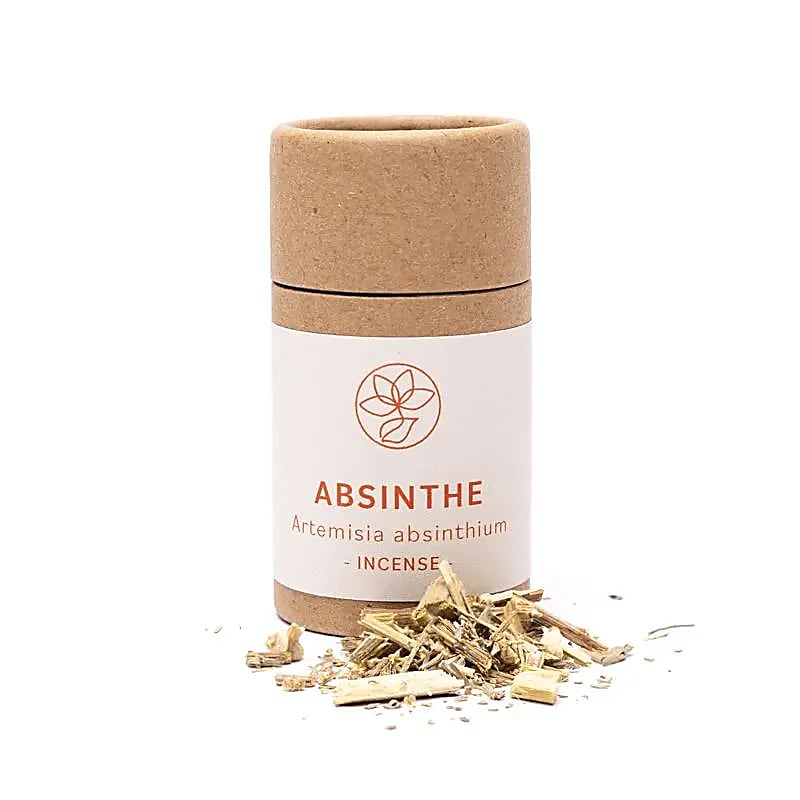
Absinthe | Don’t Ask Unless Ready
€7.99 -
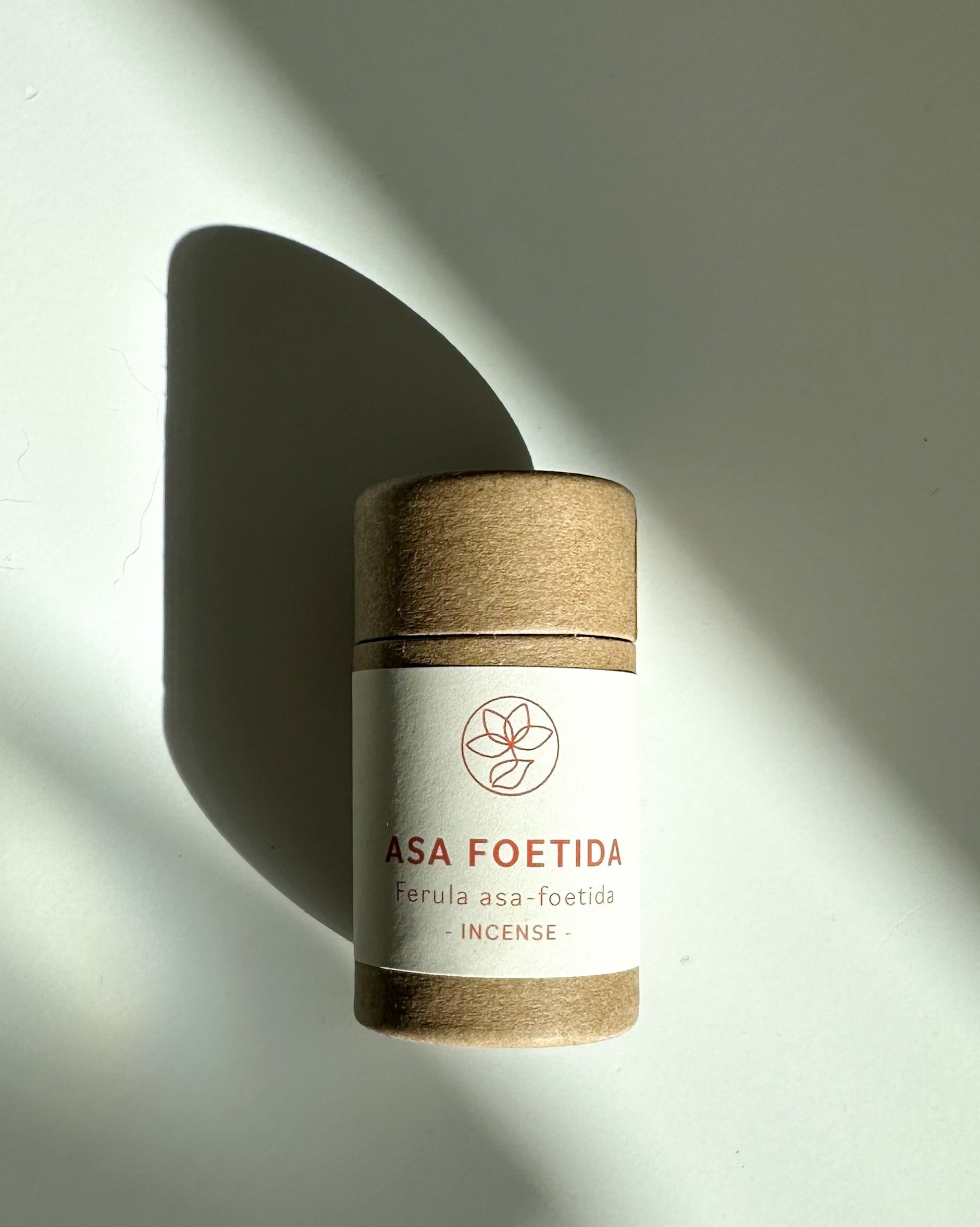
Asa Foetida | The Don’t-Mess-With-Me
€7.99 -
Cedar | for Ancestral Guidance
€7.99 -
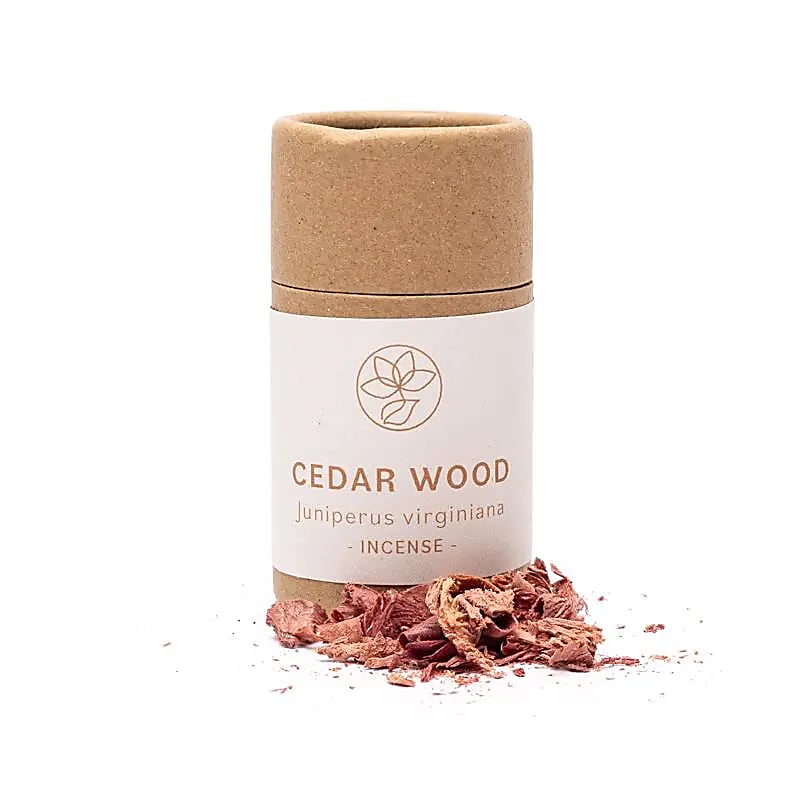
Cedar Wood | The Steady Healer
€7.99 -
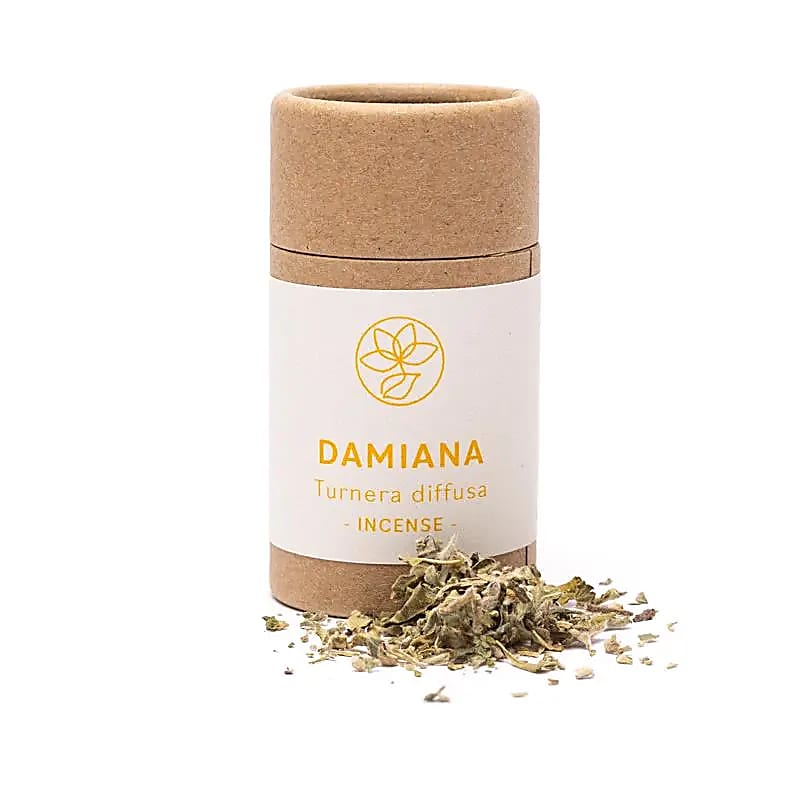
Damiana | Come-Closer
€7.99 -
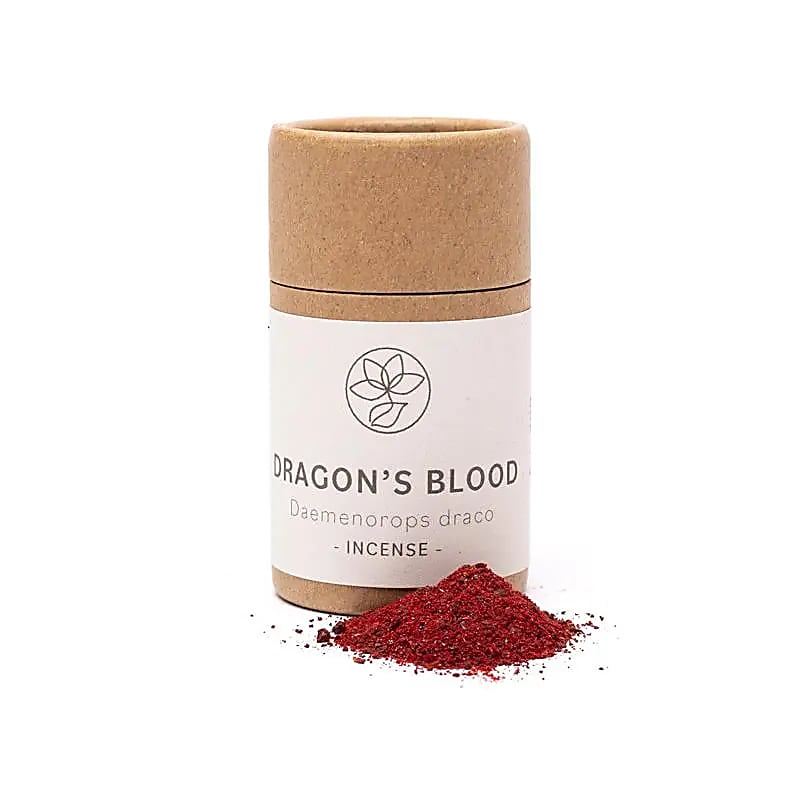
Dragon’s Blood | The Ultimate Unhexing
€33.00 -
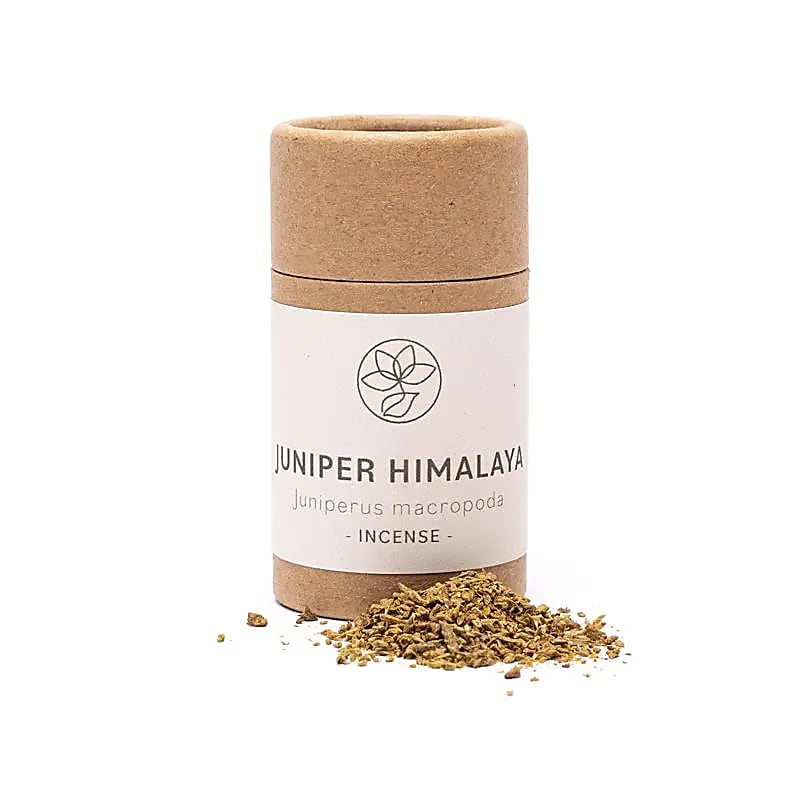
Himalayan Juniper | Food for the Gods
€7.99 -
Magick Gift Card
€15.00 €100.00Price range: €15.00 through €100.00 -
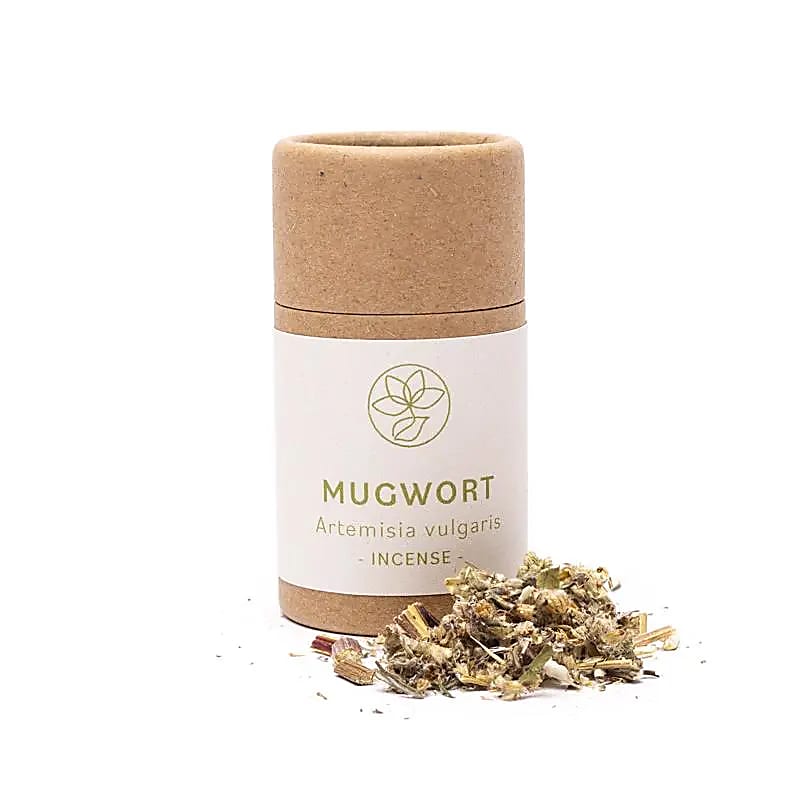
Mugwort | for Vision & Protection
€7.99 -
Mugwort | Walk Between Worlds
€6.99 -
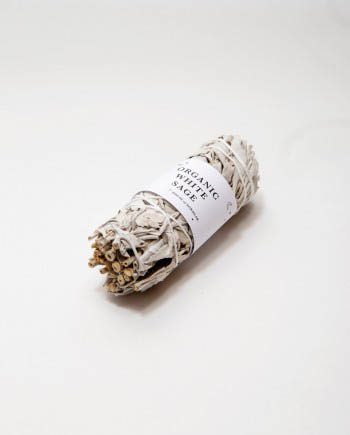
Organic White Sage | For Cleansing
€9.99 -
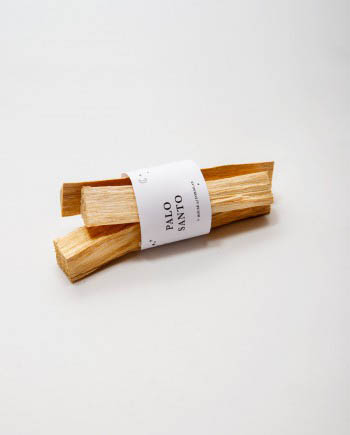
Palo Santo | for Healing
€9.99