

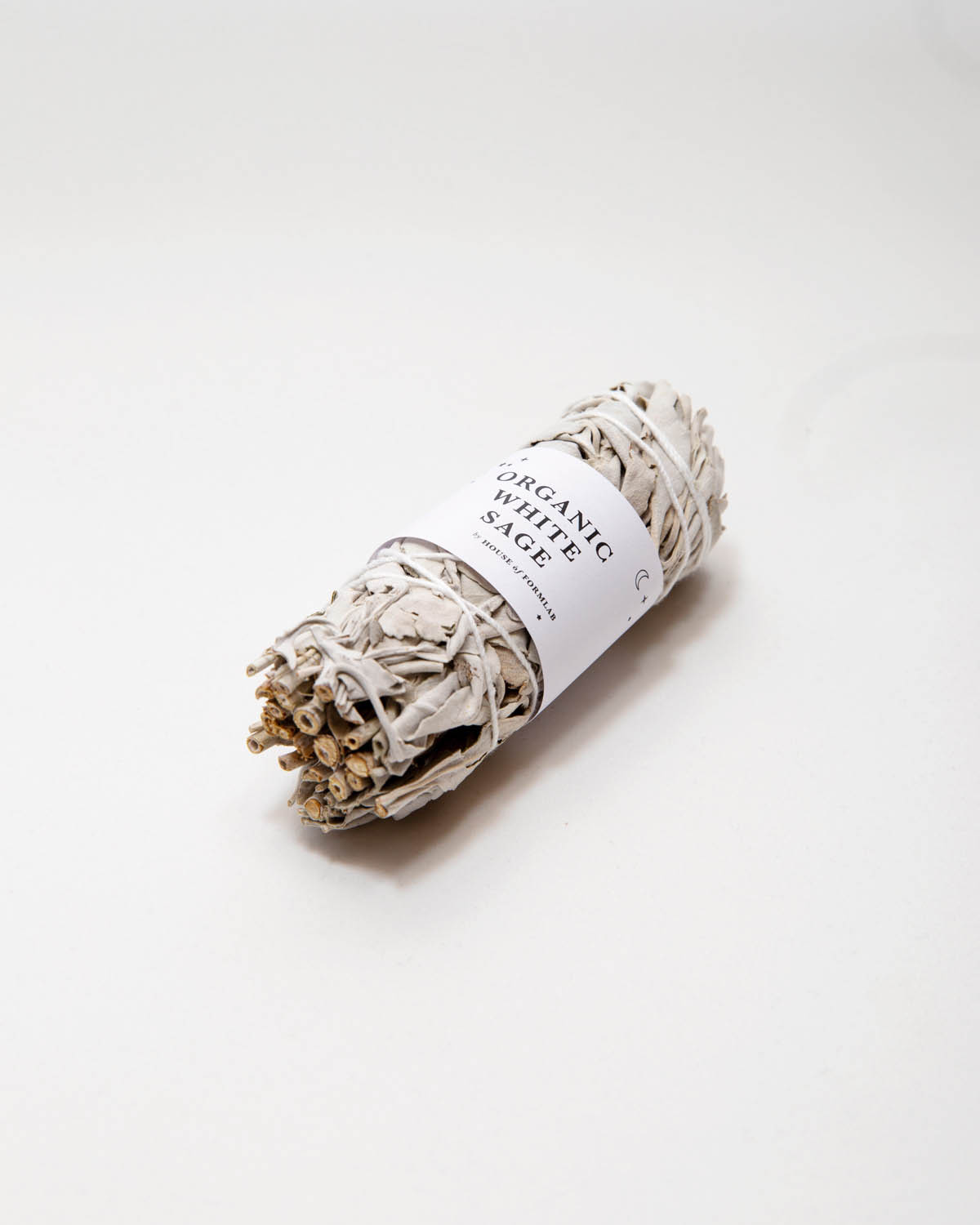
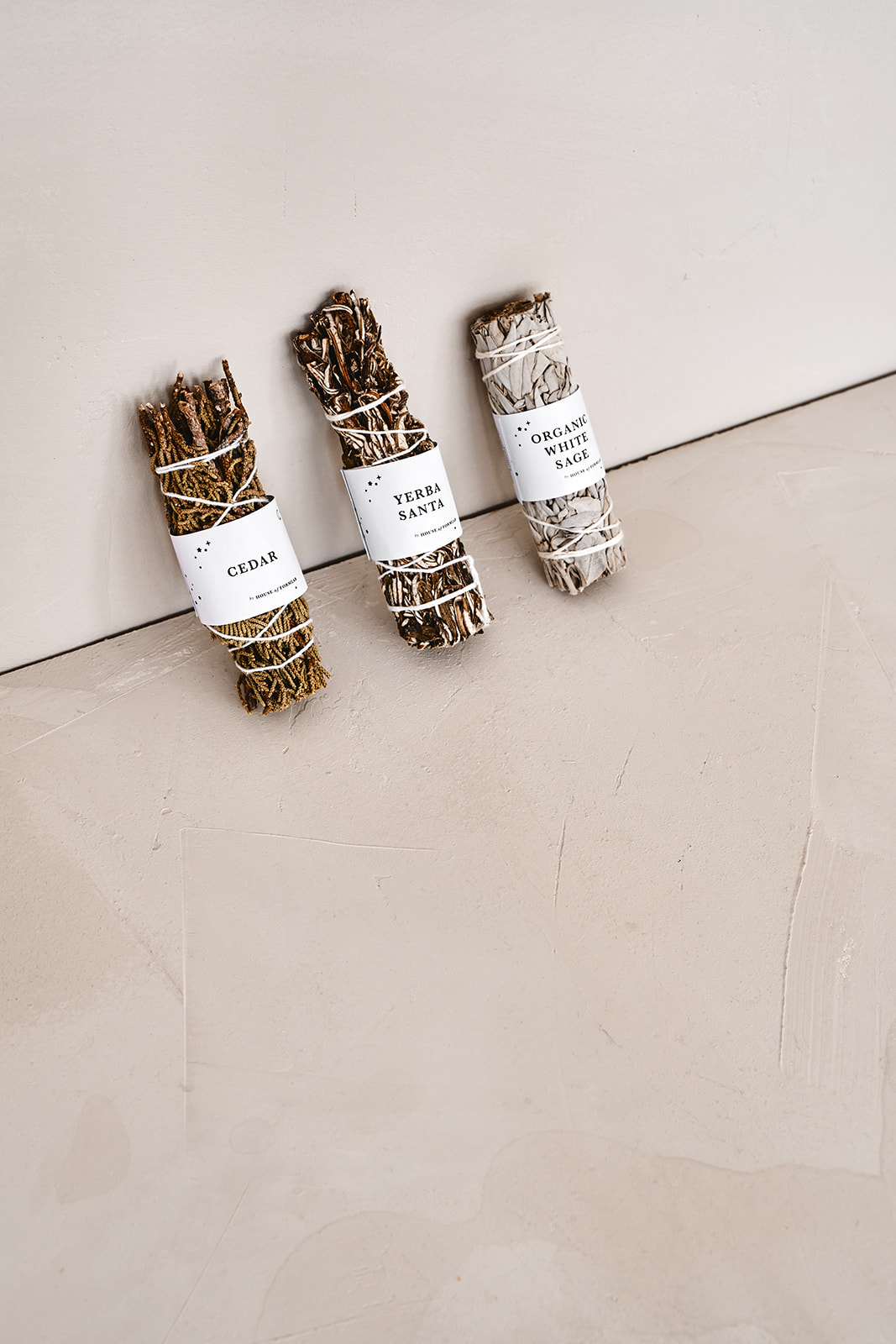
Description
About White Sage
White Sage (Salvia apiana) has been used for generations as a ritual herb for cleansing and purification. Traditionally, it was burned during moments of prayer, transition, and ceremony, to clear what no longer belonged and restore balance.
I want to be clear and careful here.
White Sage is not a trend herb.
It is a powerful plant ally that asks for respect.
Where White Sage comes from, and why that matters
White Sage has deep roots in Indigenous cultures of North America, where it has been used in ceremonial and spiritual contexts for generations. Because of this, I believe it deserves to be treated with care, restraint, and respect.
Much of the harm around White Sage today comes not from its use, but from overharvesting, commercialisation, and removal from sacred lands without consent.
This is why I work only with sustainably cultivated, non-wild-harvested White Sage, and why I encourage intentional, occasional use rather than habit or excess.
Respect is about how we source, how we use, and when we choose not to.
What White Sage is traditionally used for
White Sage is traditionally used when something feels heavy, unsettled, or overstimulated. When energy lingers after conflict. When illness has moved through. When a space feels crowded, stale, or emotionally charged.
Cleansing is not about attacking “negative energy”.
It is about removing residue, so something new can breathe.
White Sage works by clearing.
It strips back.
It resets.
Many people experience it as mentally clarifying and emotionally releasing. Others feel a strong sense of neutrality return.
Because of its strength, White Sage is best used intentionally, not habitually.
A note on air, clarity, and dreams
White Sage has long been associated with the element of air. It clears the mind and sharpens perception.
Some people choose to work with White Sage before prayer, journaling, or sleep, as it can support clarity and vivid dreams. Others prefer to use it earlier in the day, as its energy can be activating rather than calming.
Listen to your body.
White Sage does not ask to be used daily.
Is White Sage endangered?
White Sage itself is not an endangered species and is not listed on the Endangered Species List.
There are, however, real concerns around its vulnerability in the wild due to illegal harvesting from protected and sacred lands. This has led to confusion and, at times, misreporting.
How our White Sage is sourced
All White Sage offered here is commercially grown and sustainably cultivated by herb farmers. It is never wild-harvested or taken from sacred land.
Our Organic White Sage bundles are sourced from certified growers who work with the land respectfully and without rushing the plant’s growth or harvest.
White Sage essential oils used by House of Formlab are organic and sourced from European growers, including regions such as Greece, where Sage grows abundantly and naturally.
How to smoke cleanse, simply and respectfully
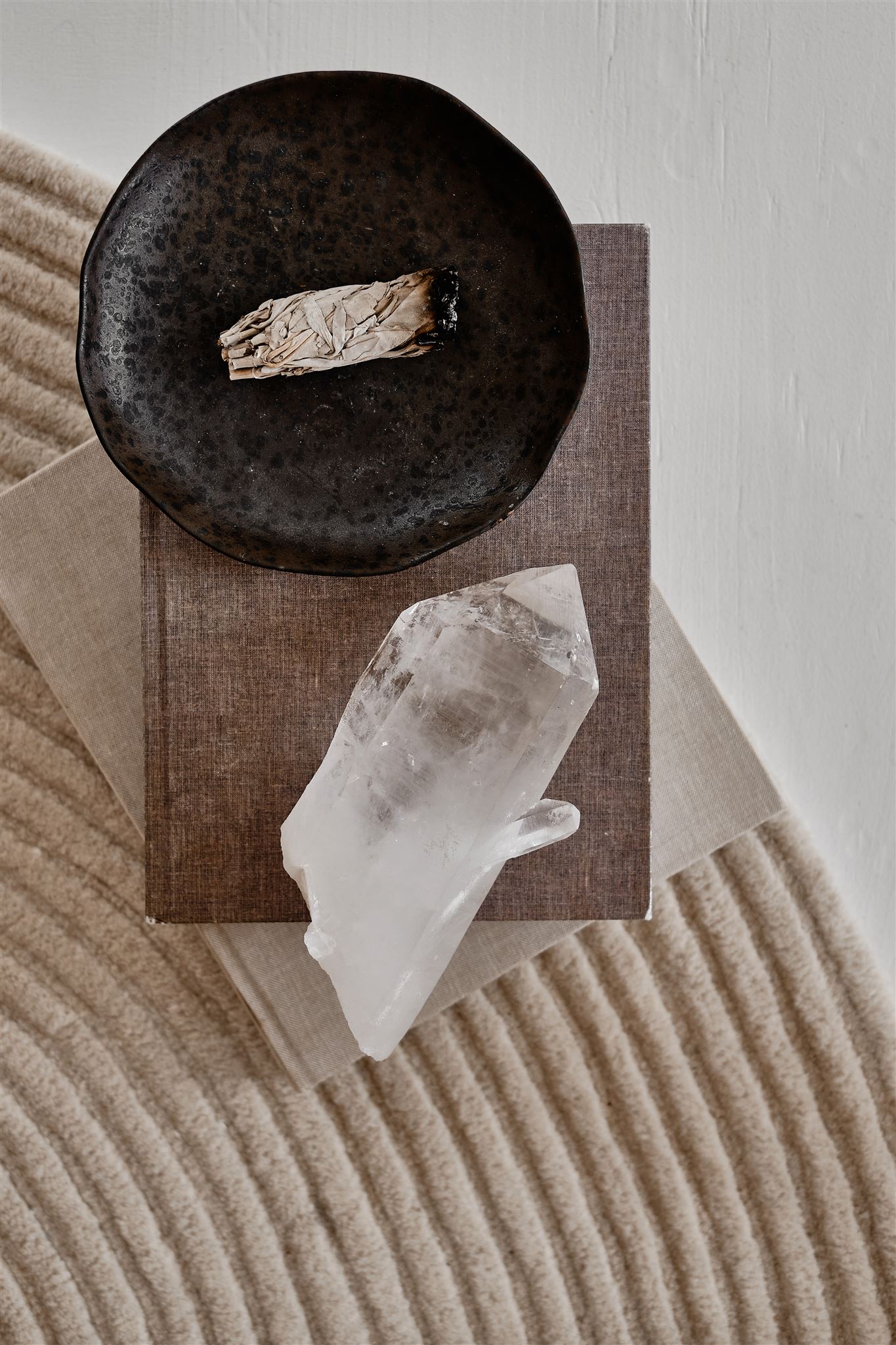
When smoke cleansing indoors, always open a window or door. Cleansing works by allowing energy to move out, not by trapping it inside.
After cleansing, a space is left neutral.
Neutral does not mean complete.
This is the moment to restore warmth and coherence. A candle. A prayer. An incense. Or a gentle closing ally such as Palo Santo.
Cleansing clears the space.
What you bring in afterward is a choice.
Download the full Step-by-Step Guide to Smudging & Smoke Cleansing here >>
A final word
White Sage is a strong ally.
Not for constant use.
Not for convenience.
Use it when something truly needs to be cleared.
Then allow the space, and yourself, to settle.
With respect,